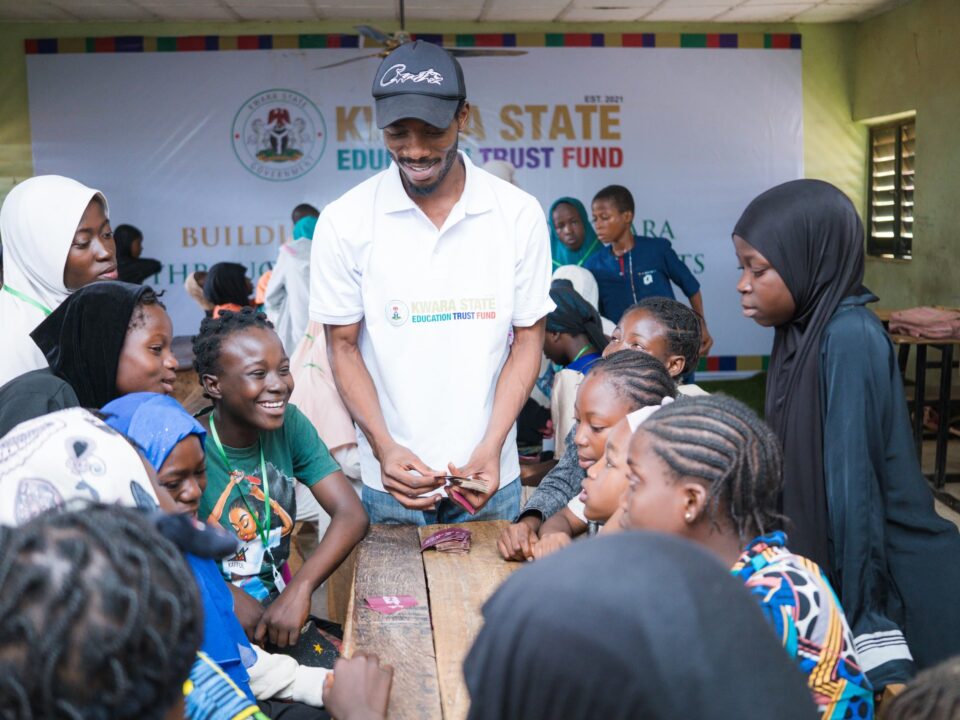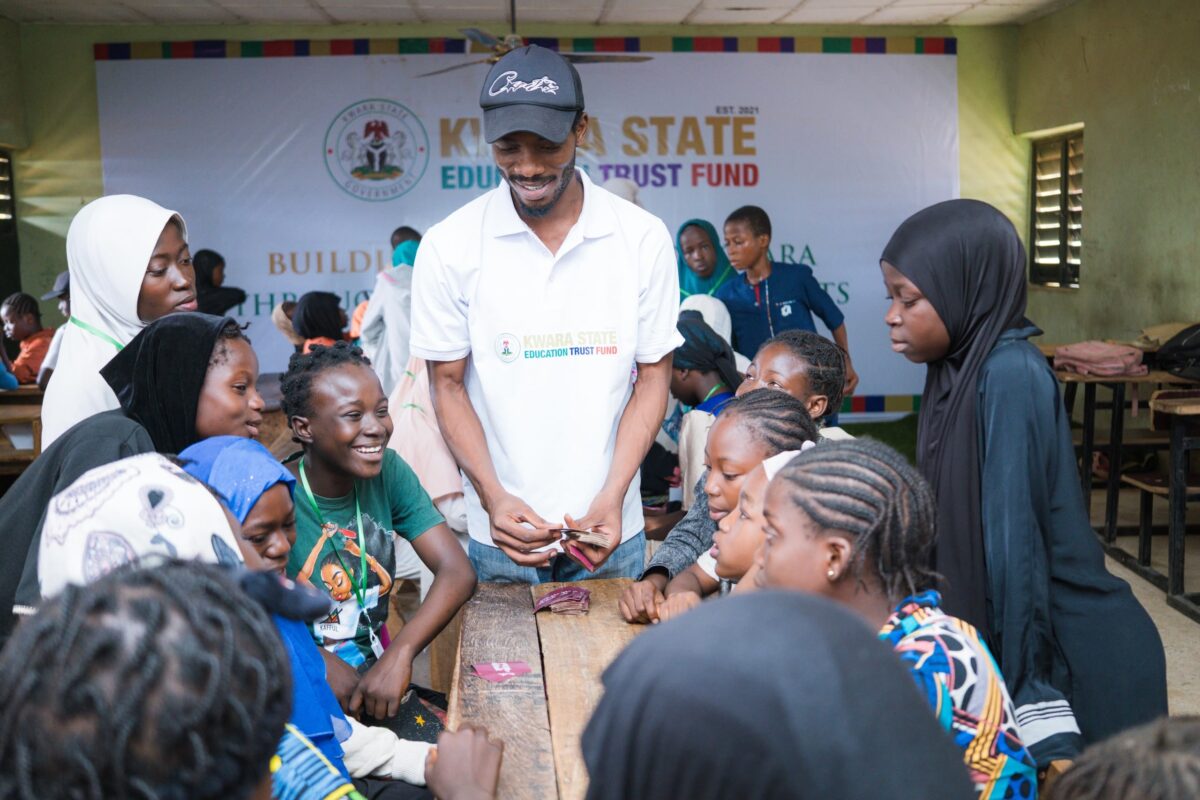
BEYOND THE CLASSROOM: HOW KWARA TURNED SUMMER INTO AN OPPORTUNITY TO LEARN, CREATE AND INNOVATE
September 14, 2026
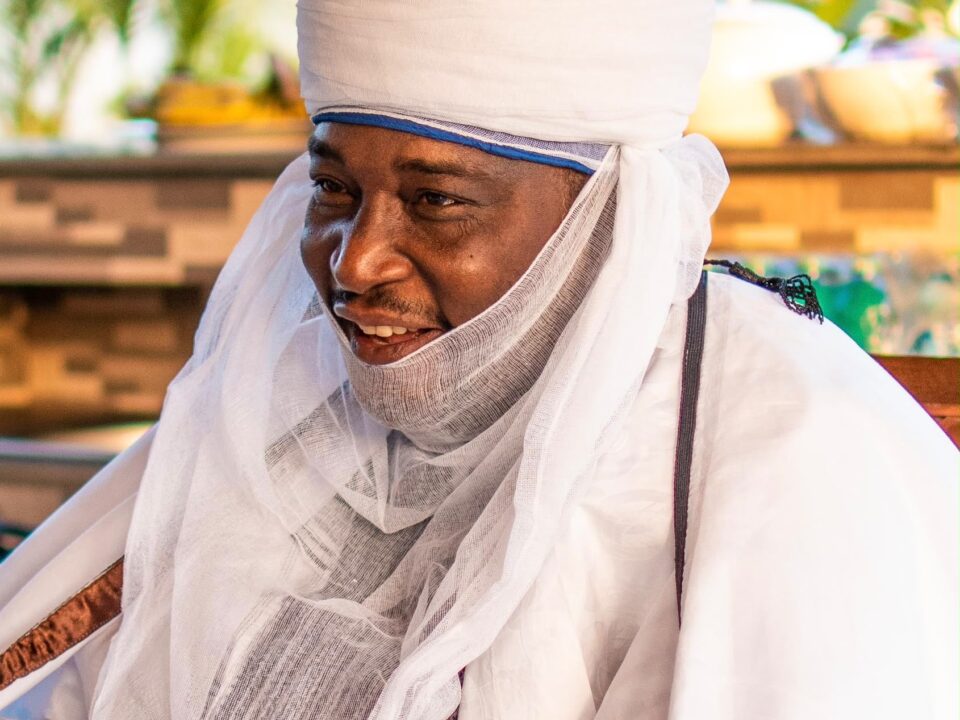
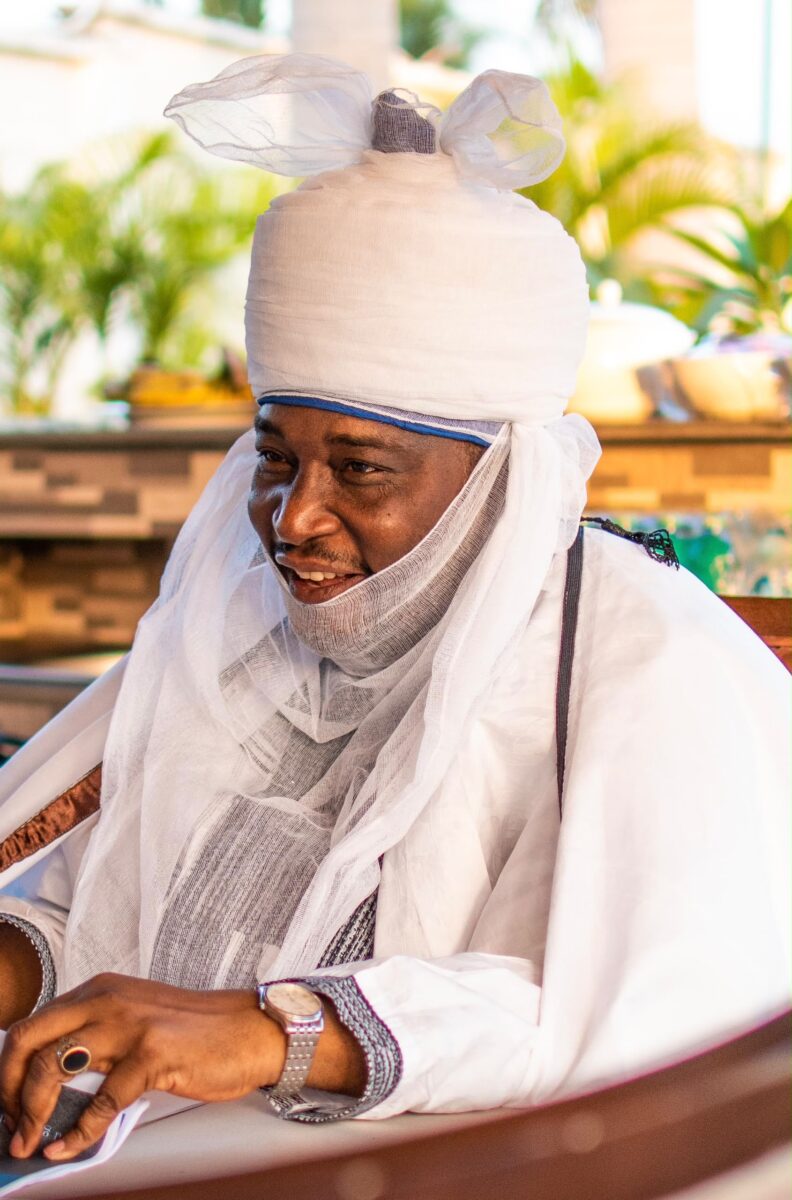
EMIR OF LAFIAGI COMMITS #20 MILLION TO DRIVE TRANSFORMATION OF LAFIAGI SECONDARY SCHOOL
September 21, 2026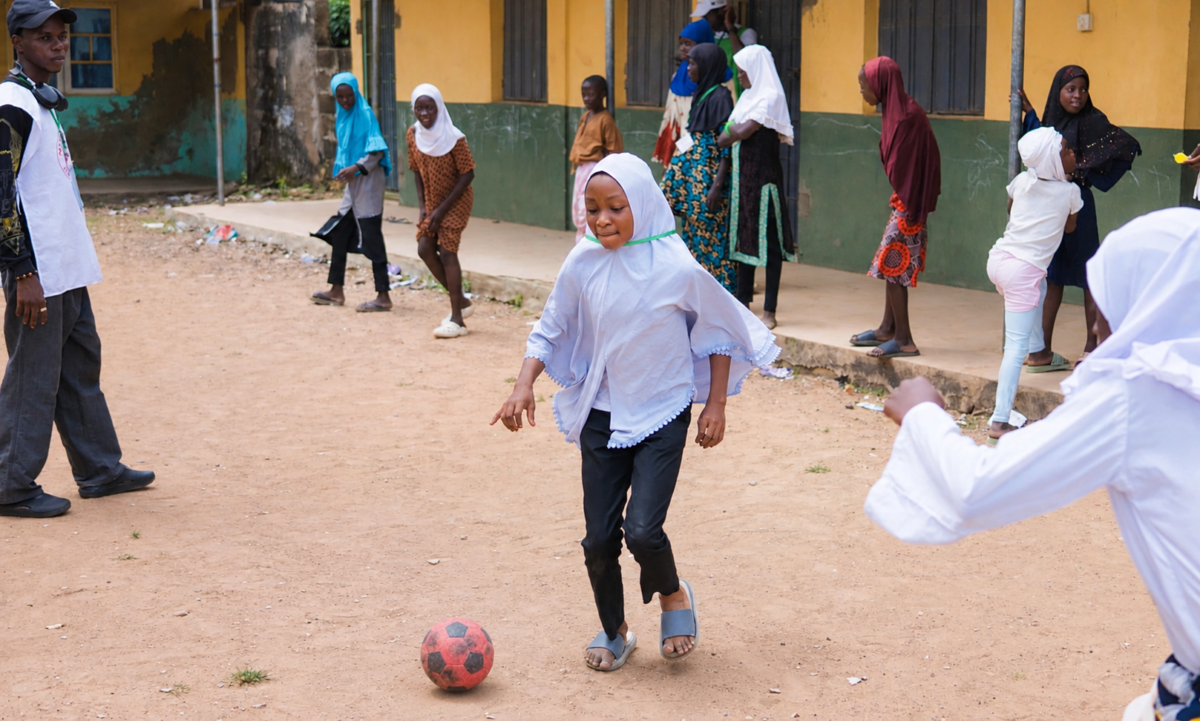
The launch of the Nationwide Safe School Programme by the Inspector-General of Police, IGP Olatunji Disu, marks an important step in strengthening the safety and security of educational institutions across Nigeria.
Flagged off by the Police Community Relations Committee (PCRC) in Abuja on September 17, 2026, the initiative brings renewed national attention to a fundamental principle: children cannot fully learn, grow and thrive in environments where their safety is uncertain.
The programme seeks to strengthen security around schools through enhanced police-community collaboration, intelligence gathering, surveillance and rapid response mechanisms. With plans to deploy 10,000 volunteers nationwide and prioritise schools in rural and remote communities, the initiative recognises that protecting educational institutions requires more than isolated interventions. It requires communities, institutions and government agencies working together.
Kwara State Education Trust Fund (KwaraETF) welcomes this development and reaffirms its commitment to supporting safer, more inclusive and resilient learning environments for children across Kwara State.
School Safety Is an Education Responsibility
School safety is often discussed primarily through the lens of security. While physical protection remains essential, a truly safe school encompasses much more.
A safe school is one where children can arrive without fear, teachers can work with confidence, and families can trust that their children are learning in an environment that protects their dignity and wellbeing.
It is also a school where bullying, abuse, discrimination and other threats to children’s development are recognised and addressed.
The national Safe School Programme’s emphasis on protecting teachers, engaging communities and involving former students as mentors reflects this broader understanding of safety. Education does not happen in isolation from the social environment surrounding a school.
At KwaraETF, we believe that investments in education must consider the conditions that enable learning to take place. Infrastructure, teaching quality, digital access and school safety are interconnected elements of a functional education system.
Building Partnerships Around Safer Schools
The PCRC’s call for individuals and organisations to support the provision of surveillance equipment and other resources highlights an important reality: safeguarding schools is a shared responsibility.
Government agencies have critical roles to play in providing security and establishing systems for prevention and response. However, communities, philanthropists, alumni associations, civil society organisations and education stakeholders also have an important part to play.
For KwaraETF, this presents an opportunity to deepen conversations around partnerships that support school safety as part of broader education development.
Such partnerships could include improvements to school infrastructure, community engagement mechanisms, emergency preparedness, child protection awareness and systems for identifying and responding to risks.
The objective is not simply to react to threats, but to build schools that are better prepared, more responsive and more resilient.
Protecting Teachers, Protecting Learning
Teachers are central to every education system, yet their safety and wellbeing can sometimes receive less attention than the physical structures within which they work.
The Safe School Programme’s explicit recognition of teachers as a priority is therefore particularly significant.
A teacher who feels unsafe cannot be expected to perform at their best. Similarly, communities cannot build strong education systems without ensuring that those entrusted with educating their children are adequately protected and supported.
KwaraETF recognises that improving education outcomes requires attention to the people who make learning possible. Teacher welfare, professional development and a secure working environment are all part of creating conditions for quality education.
A Collective Commitment to Every Child
The launch of the Nationwide Safe School Programme provides an important opportunity for stakeholders across Nigeria to reflect on what it means to create truly safe learning environments.
Safety must extend beyond the school gate. It must include the journey to and from school, the classroom environment, relationships among students and teachers, and the systems available when children face challenges.
It must also recognise that rural and underserved communities may require targeted attention and resources.
As KwaraETF continues to explore innovative ways of supporting education development in Kwara State, the national conversation on school safety reinforces the importance of partnerships and collective action.
Every child deserves the opportunity to learn without fear.
Every teacher deserves the confidence to teach without intimidation.
And every community has a role to play in protecting its schools.
The Nationwide Safe School Programme is a welcome step in that direction. For Kwara State and for Nigeria, the task ahead is to translate this commitment into sustained action—ensuring that safety becomes not an aspiration, but an everyday reality in every school.