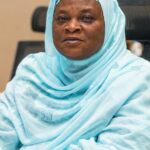
KWARAETF CONSTITUTES FIVE BOARD STANDING COMMITTEES TO STRENGTHEN GOVERNANCE AND STRATEGIC OVERSIGHT
November 5, 2026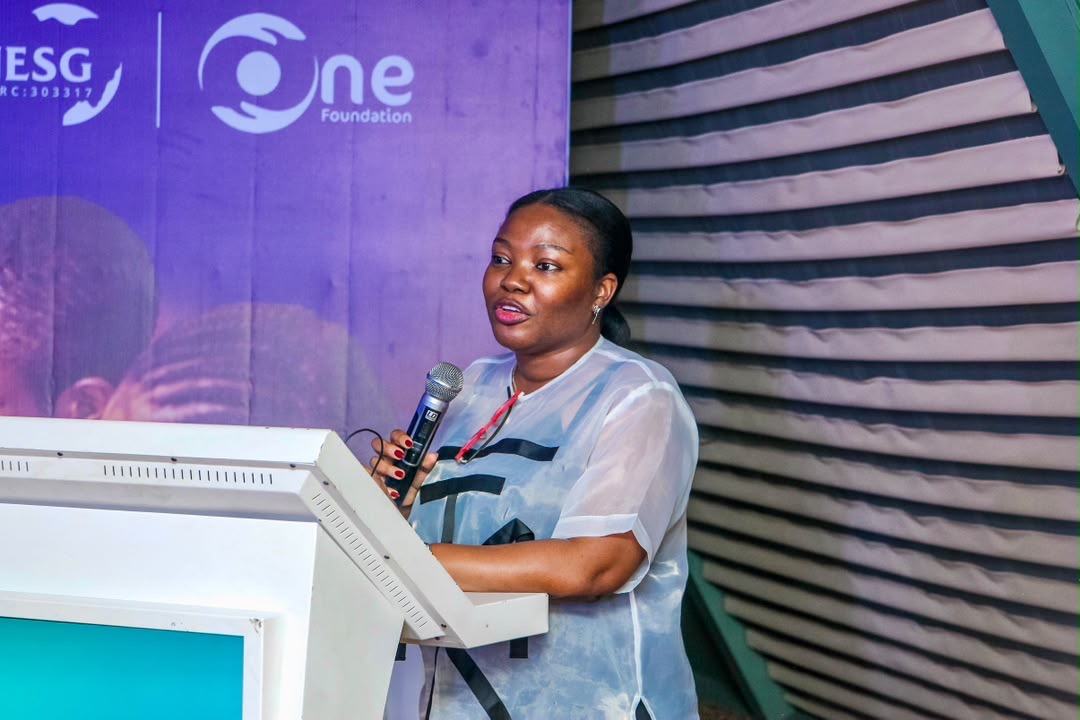
KwaraETF Executive Secretary joins Sterling Bank, the World Bank, UNICEF and business leaders to advance conversation on education, skills and Nigeria’s economic competitiveness.
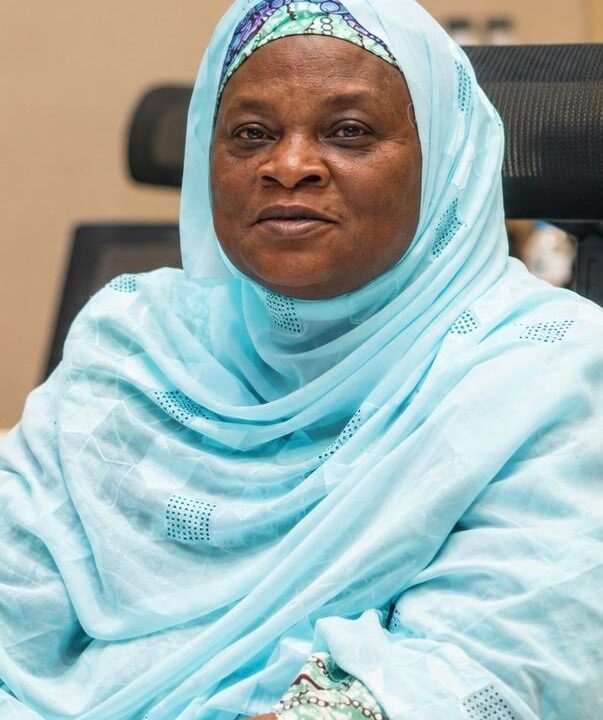
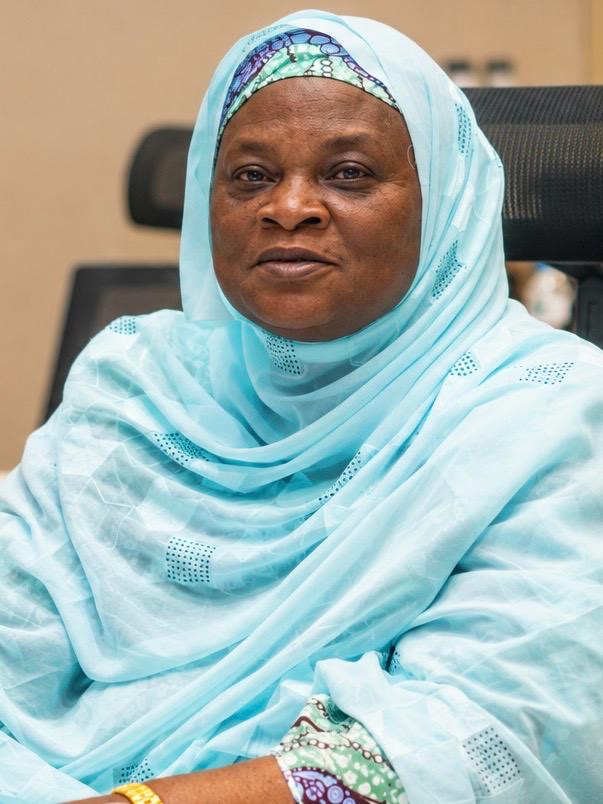
The Executive Secretary of the Kwara State Education Trust Fund (KwaraETF), Oluwadamilola Fatima Amolegbe, has called for a shift from fragmented corporate social responsibility initiatives to coordinated, long-term partnerships that improve learning outcomes and prepare young Nigerians for the demands of the economy.
Amolegbe made the call at the 32nd Nigerian Economic Summit (NES #32), where she delivered a presentation at the high-level session titled “From Classrooms to Competitiveness: A CEO Compact for Nigeria’s Education Future.” Hosted by Sterling One Foundation, the session held on Monday, October 26, 2026, at the Transcorp Hilton Hotel, Abuja.
The session opened with remarks by Abubakar Suleiman, Chairman of Sterling One Foundation and Managing Director/Chief Executive Officer of Sterling Bank, who underscored the importance of connecting education investment to the skills and capabilities required by the economy.
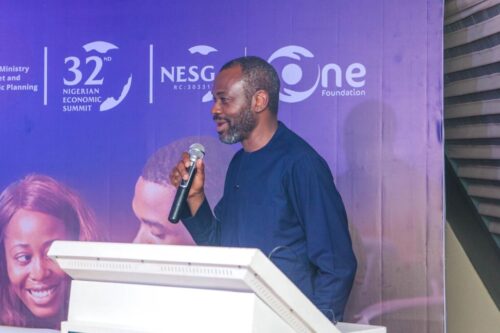
Drawing on Sterling’s partnership with Miva Open University, Suleiman highlighted the bank’s sponsorship of students through the university and its intention to assess their eventual workplace performance against that of employees recruited through conventional channels.
The example illustrated the importance of moving beyond funding access to education towards evaluating the capabilities, skills and practical value that educational investments produce. It also reinforced the need for stronger collaboration between employers and educational institutions to ensure that learning is increasingly connected to the demands of the workplace and the wider economy.
The session featured a presentation by Shinsaku Nomura, Senior Economist, Education Global Practice, World Bank, alongside Amolegbe, who brought a state-level perspective to the national conversation.
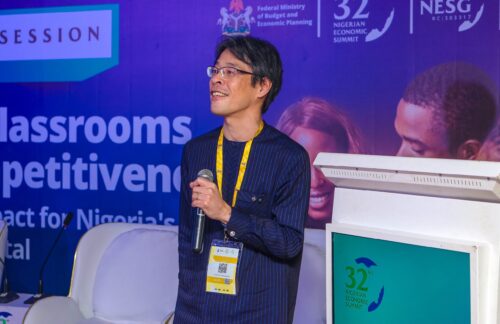
Hosted by Olapeju Ibekwe, Chief Executive Officer of Sterling One Foundation, the session was moderated by Mercy Frank of BBC Nigeria. Panellists included Abubakar Suleiman; Nadi Albino, Acting CEO and Director of Generation Unlimited (GenU), UNICEF; Emmanuel Okeleji, Chief Executive Officer of SeamlessHR; and Adewale-Smart Oyerinde, Director-General of the Nigeria Employers’ Consultative Association (NECA).
Speaking on the theme, “From Access to Learning: What States and Business Can Build Together, and a Model Every State Can Adopt,” Amolegbe drew on Kwara State’s education reform experience to demonstrate how state leadership, structured financing and private-sector partnerships can strengthen public education.
She argued that Nigeria’s human-capital challenge is increasingly a business competitiveness challenge. Businesses depend on a workforce equipped with foundational knowledge, relevant skills and the capacity to adapt to changing economic demands. Yet these capabilities cannot be developed through isolated interventions or short-term corporate giving.
A central part of her presentation examined KwaraETF’s scholarship programme, illustrating why access to quality schools and admission opportunities must be accompanied by continuous monitoring and support for learners.
Through a merit-based selection process, 640 pupils participated in a statewide mock examination, 180 were shortlisted to sit the National Common Entrance Examination, and 12 ultimately met the admission requirements for Federal Unity Colleges and secured scholarship places.
Subsequent academic monitoring of 11 enrolled beneficiaries across four Federal Unity Colleges revealed a more complex picture of learning outcomes. Five beneficiaries scored above the programme’s 60 per cent benchmark, one recorded 59.7 per cent, while five fell below the benchmark.
The findings prompted further diagnostic assessments, engagement with parents, targeted tutorials and closer monitoring. All five beneficiaries who had fallen below the benchmark recorded improved scores in the third term compared with their first-term performance.
For Amolegbe, the experience reinforced a critical lesson: educational success cannot be measured by enrolment, admission or expenditure alone. It must also be measured by what children are learning, how they are progressing and whether the necessary support is available to help them succeed.
She also highlighted the role of state education trust funds as structured channels through which businesses, foundations, philanthropists and development partners can pool resources and support public education priorities beyond the limitations of annual budget cycles.
Presenting five practical pathways for business participation under the CEO Compact, Amolegbe identified Invest, Adopt, Employ, Contribute Capability and Advocate as ways companies can move from isolated contributions to more deliberate partnerships with state governments.
These pathways include providing sustained financing for education programmes, supporting defined schools or learner cohorts, creating internships and employment opportunities, contributing technical expertise and technology, and advocating stronger public education financing and accountability.
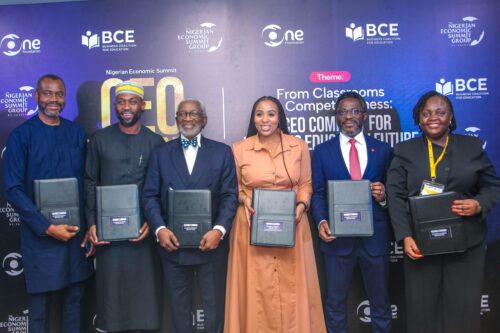
The presentation positioned Kwara’s experience as a practical model that other states can adapt to their own institutional and development contexts. It emphasised that state governments must lead education delivery and accountability, while businesses can contribute capital, innovation, expertise and a clearer connection between education and the world of work.
The session reflected the ambition of the Business Coalition for Education (BCE), established at the 2025 Africa Social Impact Summit, to move the conversation from how much businesses spend on education to how they can invest and collaborate differently to strengthen learning, skills and the capabilities needed for economic transformation.
The 32nd Nigerian Economic Summit was convened by the Federal Ministry of Budget and Economic Planning and the Nigerian Economic Summit Group (NESG) under the theme “Growth that Works: Delivering Jobs, Productivity and Shared Prosperity.” The Summit brought together leaders from government such as Vice President H.E Kashim Shettima GCON representing H.E. President Bola Ahmed Tinubu GCFR, business – Alhaji Abdul Samad Rabiu GCON, chairman of BUA Group, civil society, academia and development institutions including United Nations, represented by its Deputy Secretary-General Amina J. Mohammed GCON to deliberate on Nigeria’s economic priorities and pathways to inclusive growth.
Through its programmes and partnerships, KwaraETF continues to advance investments aimed at strengthening education delivery and expanding opportunities for learners across Kwara State.
For more information, visit KwaraETF website – www.KwaraETF.ORG