KWARAETF CONCLUDES 2026 SUMMER SCHOOL, CELEBRATING LEARNING, LEADERSHIP AND CREATIVITY AMONG YOUNG KWARANS
September 4, 2026
BEYOND THE CLASSROOM: HOW KWARA TURNED SUMMER INTO AN OPPORTUNITY TO LEARN, CREATE AND INNOVATE
September 14, 2026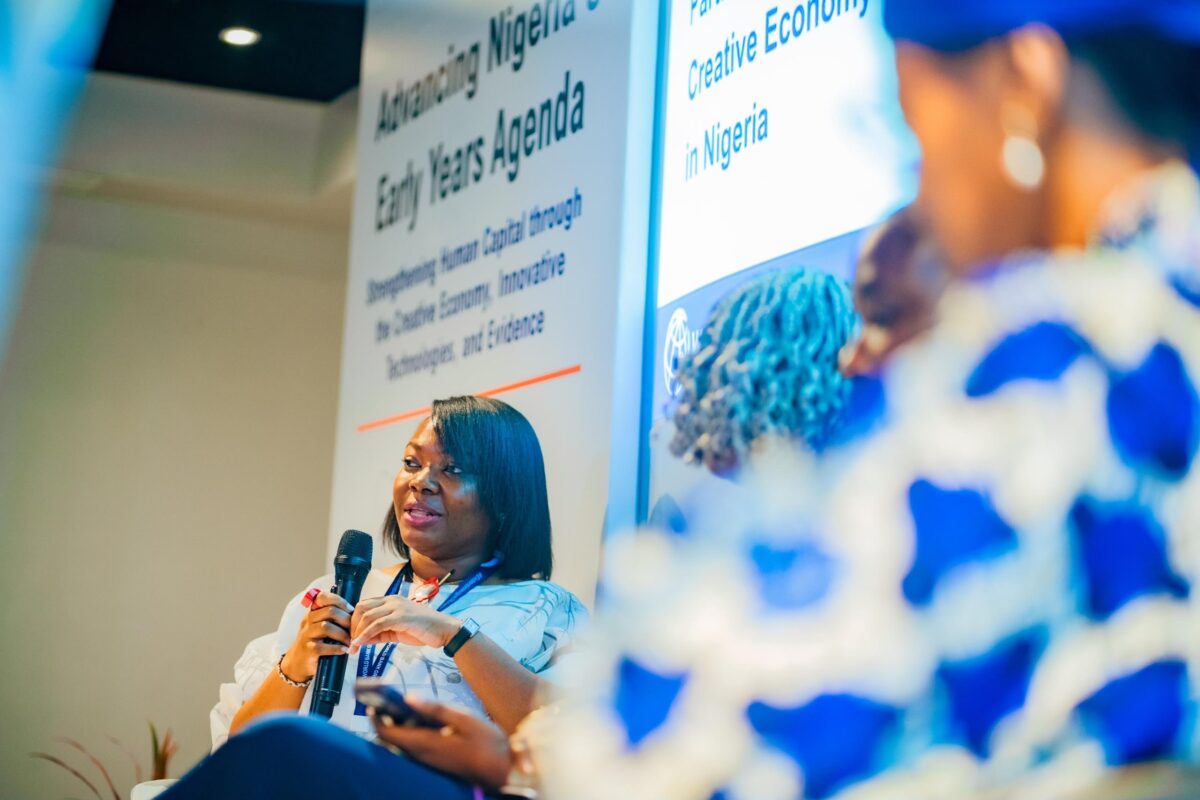
The Kwara State Education Trust Fund (KwaraETF) continued its engagement with the World Bank’s human capital development conversations as the Fund’s Executive Secretary, Oluwadamilola Fatima Amolegbe, participated in the “Advancing Nigeria’s Early Years Agenda: Strengthening Human Capital through the Creative Economy, Innovative Technologies, and Evidence” forum held in Abuja on September 2–3, 2026.
The participation builds on KwaraETF’s engagement with the World Bank’s development conversations in 2025, when Amolegbe featured on the Policy, Partnerships and Advocacy panel at the World Bank’s Entertaining Change Forum in Abuja.
While the 2025 conversation explored the role of policy, partnerships and advocacy in driving development impact, this year’s forum took the conversation further, focusing on how evidence, creative industries, technology and innovative financing models can translate into practical partnerships that strengthen Nigeria’s human capital outcomes.
Exploring New Models For Financing innovation
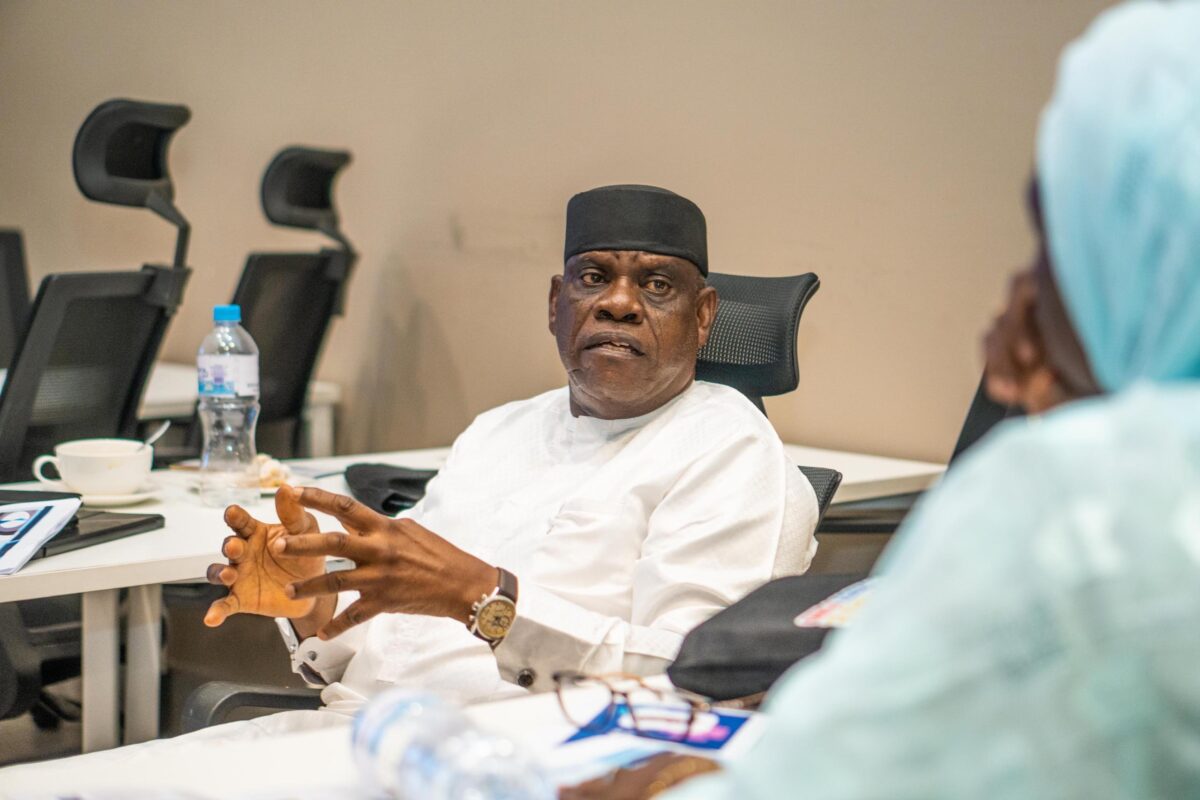
Amolegbe participated in a thematic workshop on Innovative Financing Models for Social and Behaviour Change Communication (SBCC) and Entertainment Media, led by Fifehan Osikanlu of Eden Venture Group and Hamisha Daryani Ahuja, founder of forever 7 entertainment.
The session brought together participants from different sectors to explore practical ways of financing and strengthening collaborations between brands, creative organisations, development partners and other stakeholders.
One of the ideas developed by the group was an initial concept for a secure and trusted platform connecting brands with potential creative partners. The proposed platform would make it easier for organisations to identify credible partners while addressing concerns around verification, security and intellectual property protection.
The discussion highlighted that financing innovation is not simply about making capital available. Trust, credible connections and the right infrastructure are also necessary to help good ideas move from concept to collaboration and, ultimately, to scale.
Bringing Kwara’s Experience to the Partnerships Conversation
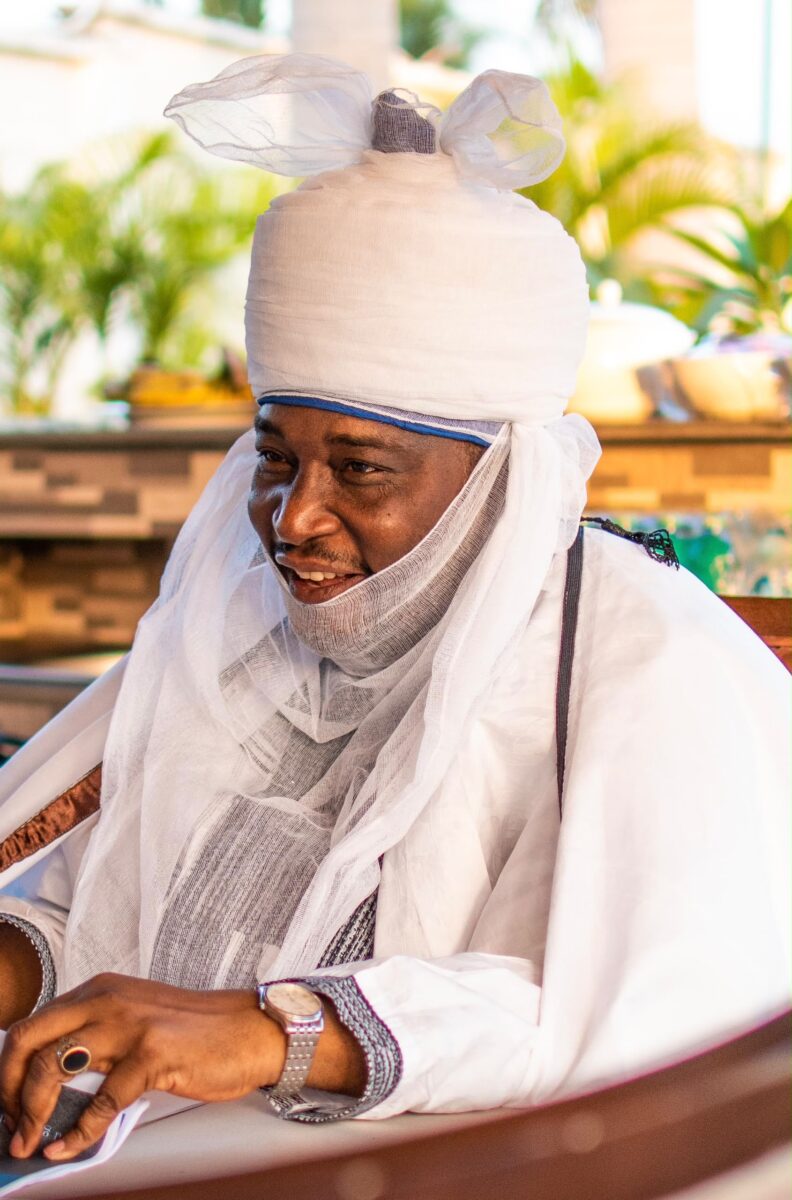
Amolegbe subsequently joined Fifehan Osikanlu of Eden Venture Group and filmmaker Ishaya Bako on the Partnerships Panel, “Collaborating with the Creative Economy to Advance Human Capital in Nigeria,” moderated by Habibah Waziri of BGR Africa.
Drawing from Kwara’s education reform experience, Amolegbe brought the perspective of a state-level institution working at the intersection of policy, education delivery, partnerships and financing.
She reflected on Kwara’s journey following the declaration of a State of Emergency on Education, including the Kwara Education Futures process, which brought education stakeholders together to examine the challenges facing the state and identify pathways for reform.
The process demonstrated the value of bringing stakeholders together around a shared education agenda — and of moving from dialogue to action. It contributed to the development and strengthening of landmark interventions and institutions including KwaraAGILE, the World Bank-supported programme supporting adolescent girls in secondary schools; KwaraLEARN, the state’s digital and physical learning programme for public primary schools; and KwaraETF, established as an institutional mechanism for sustainable financing of education development.
The panel explored what it takes to move beyond one-off projects and campaigns towards partnerships that government can adopt, sustain and scale.
For Amolegbe, the experience reinforced the importance of ensuring that innovations respond to real public-sector challenges, are supported by evidence, can work within existing delivery systems and have a clear pathway to sustainability.
Continuing the Journey from Policy To Practice
Across the workshop and panel discussions, a common thread emerged: innovation is most powerful when it is connected to systems that can sustain it.
For KwaraETF, the forum provided an opportunity to share lessons from the state’s education reform journey while also contributing to broader conversations on how Nigeria can harness the creative economy, technology, evidence and new financing approaches to advance human capital development.
The engagement also reflects a continuing journey — from bringing stakeholders together around a shared policy challenge, to building programmes and institutions, and now to exploring new partnerships and financing mechanisms that can help good ideas reach more people.
KwaraETF appreciates the World Bank, IFC, Gates Foundation, European Union and other organisers, partners, speakers and participants for convening the forum and creating space for meaningful cross-sector exchange, collaboration and co-creation around Nigeria’s human capital agenda.
To learn more about KwaraETF’s programmes, partnerships and opportunities to support education development in Kwara State, visit kwaraetf.org.