SUCCESS IS BUILT ON LITTLE THINGS— AND KWARA’S YOUTH ARE LEARNING THAT EARLY
May 6, 2026
KWARAETF BOARD WELCOMES DR. FUNKE SHITTU, REPRESENTATIVE OF THE OFFICE OF THE HEAD OF SERVICE.
May 19, 2026
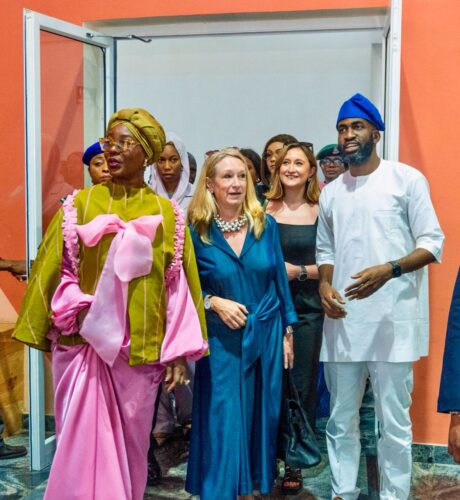
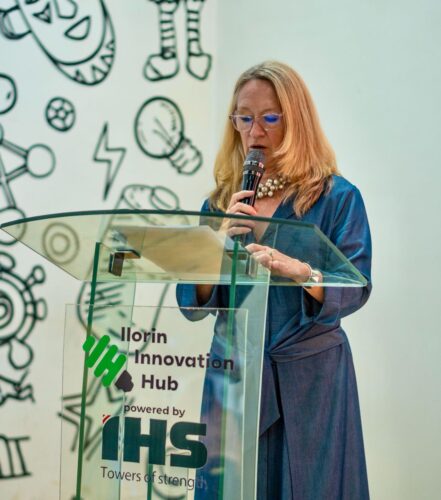
The recent visit of British Deputy High Commissioner Gill Lever to Kwara State on Tuesday, the 12th of May, 2026 offered an important opportunity to spotlight the state’s growing reputation as a centre for innovation, inclusion, and future-focused governance.
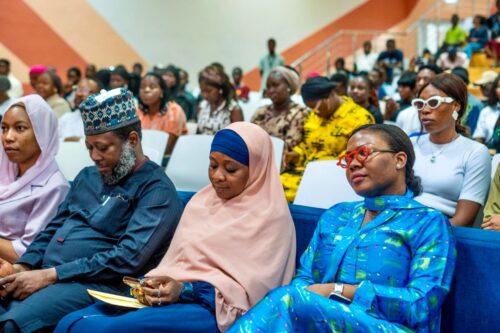
During her visit to the Ilorin Innovation Hub and engagements with government officials and stakeholders, including the Executive Secretary of the Kwara State Education Trust Fund, Oluwadamilola Amolegbe, discussions centred around digital access, innovation, education, and opportunities for young people — particularly how technology can serve as a tool for broader social and economic advancement.
These conversations strongly reflect the vision behind the Kwara State Education Trust Fund’s ongoing efforts to deepen public school digitization and support the development of the Kwara Smart Schools initiative.
As education systems across the world evolve, digital learning is no longer optional. It has become essential to preparing students for the realities of a technology-driven future. In Kwara State, the focus is not simply on introducing devices into classrooms, but on building smarter and more inclusive learning ecosystems that empower both students and teachers.
This is why developments in communities such as Ifelodun are particularly noteworthy.
Speaking during her visit, Gill Lever referenced the UK’s Digital Access Programme, under which a community hub was recently launched in Olayinka, Ifelodun Local Government Area. According to her, the initiative is expected to support over 50,000 people within the local government area through improved digital access and technology skills development.
The initiative reflects a growing recognition of the importance of grassroots digital inclusion and the need to ensure that opportunities in technology and innovation extend beyond major urban centres.
The same thinking continues to shape ongoing conversations around public school digitization and the Kwara Smart Schools initiative — both of which seek to prepare students across Kwara for a rapidly evolving digital future.
The Kwara Smart Schools initiative is therefore envisioned as more than a technology project. It represents a broader commitment to reimagining the public school learning experience through digitally enabled classrooms, improved learning environments, stronger school infrastructure, and expanded access to quality education across the state.
Gill Lever’s engagement with Kwara’s innovation and education ecosystem further reinforces the importance of sustained investments in digital inclusion, human capital development, and equitable access to learning opportunities.
As Kwara continues to strengthen its position as a forward-looking state, initiatives around public school digitization and innovation remain central to building an education system that prepares every child — regardless of background or location — for the opportunities of the future.